
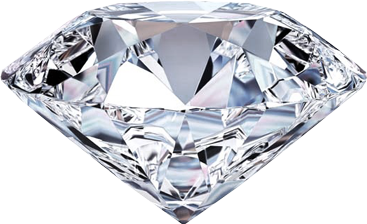


April Birthstone: The One & Only Diamond
April Birthstone: The One & Only Diamond
Posted by Sharif Khan on 14th Mar 2023
April Birthstone
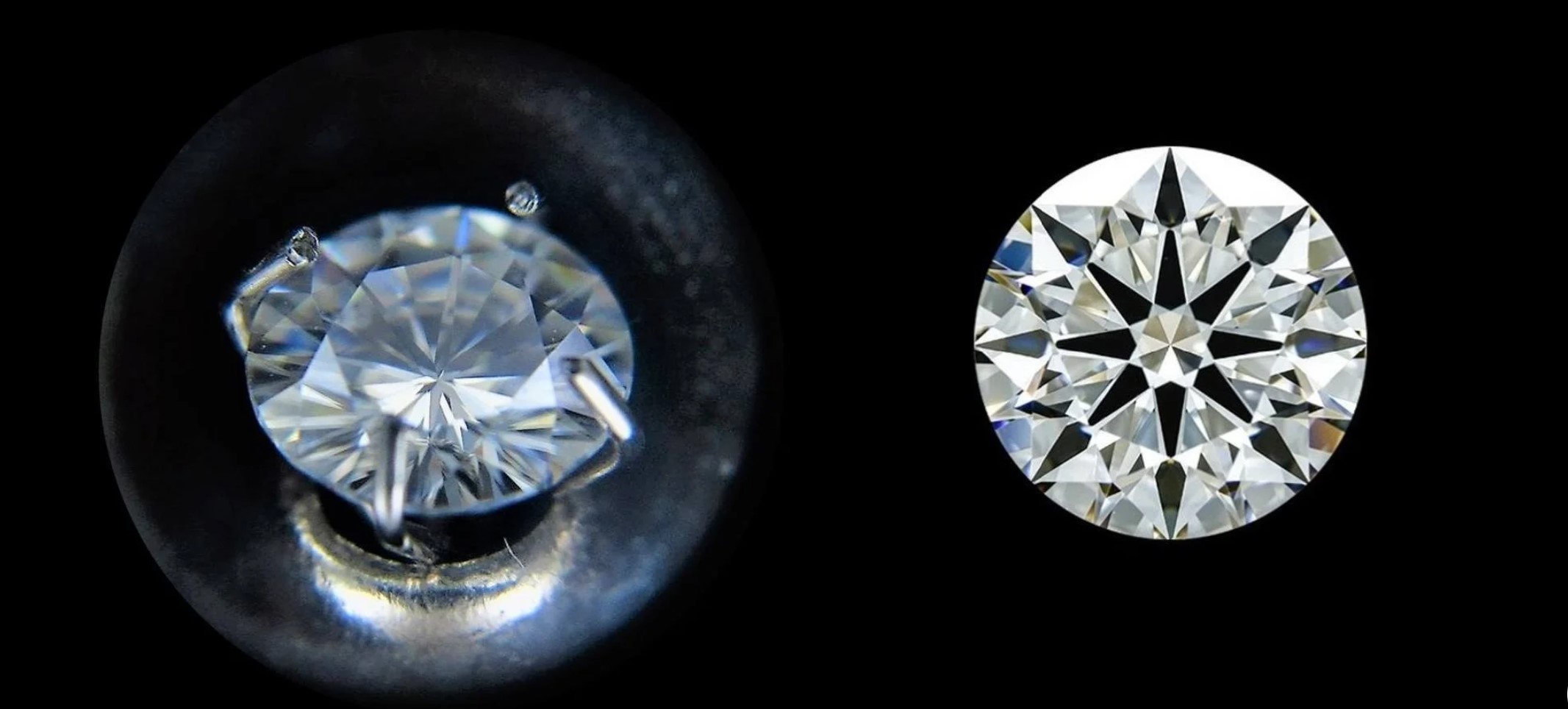
Various societies have evolved different birthstone calendars that were updated over time. They ascribed stones to each month, believing anybody who wore the birthstone of their birth month would receive various benefits.
Modern customers can choose from many stones based on their birthday, personal preference, ethical considerations, and affordability, paying particular attention to the associated superstitions.
Diamond has been associated with April for a long time. However, traditionally Sapphire and later Opal were considered to be the birthstones of April. Nonetheless, if you were born in April, you get the honor of having the most valuable gem in the world as your birthstone.
Check out this QUICK diamond-buying cheat sheet.
Diamond Origin
The word "diamond" is derived from the Greek word "adamas," which means invincible or unbreakable. The word "Adamas" was used to describe any tough substance, but it came to be associated with the mineral we now call diamond.
Diamonds are highly sought after due to their durability, sparkle, and uniqueness and are frequently found in high-end jewelry, such as engagement rings. They are produced in the deepest layer of the Earth's mantle, beneath its crust, under extreme heat and pressure conditions, where carbon atoms are arranged in a crystal lattice structure.
Diamonds have historically been essential to international trade and commerce, with India being their primary source until the 18th century. The discovery of this exquisite stone in South Africa in the late 19th century led to the rise of the diamond industries in the West. Most diamonds come from Africa, Russia, Canada, Australia, and South America.
However, given the rise of ethical consumerism and a concern for the environment, we now have diamonds produced in labs under the same conditions found deep down the Earth.
Known as lab-grown, lab-made, or simply lab diamonds, the resultant stones carry similar chemical and physical properties without costing as high as their natural counterparts. This means you can buy a stunning lab-grown diamond without breaking the bank while still getting the desired sparkle and bling.
Diamond Symbolism
Diamonds have been valued for their beauty, rarity, and hardness for thousands of years, making them a significant part of human history. Royalty and religious leaders often used them to symbolize power and authority. The most famous example is the Koh-i-Noor diamond, owned by various Indian and Persian rulers before being taken by the British Empire in the 19th century.
Diamonds have been used in jewelry for centuries, with the earliest known diamond jewelry dating back to ancient India. Also popular in the Victorian era, they were utilized in mourning jewelry as a mark of eternal love. In modern times, the jewel is presented to couples on their 60th or 75th wedding anniversary as part of an old tradition.
Diamond Shapes
The brilliant round diamond is a classic shape that has been popular for many years and continues to be in high demand. Its circular shape and brilliant cut maximize the diamond's fire and brilliance, making it a timeless option for engagement rings and other intricate jewelry designs.
The pear-shaped diamond is a unique and elegant shape combining round and marquise shapes. It has a teardrop shape that can appear flattering on the finger and is often used in earrings and pendants, apart from engagement rings, which may be the ideal choice.
The marquise cut is another pattern that has changed in prominence over the years and is currently in style. The marquise cut, created in the middle of the 18th century, is also known as a "navette" or "small boat" due to its shape. It carries the shape of a ship, with a rounded center and pointed ends. Marquise-shaped diamonds can be set as solitaires or with several different-shaped side stones.
The square-shaped princess cut diamond has pointed corners. Its relatively modern shape has become excessively famous of late, especially for engagement rings, since its clean lines and modern look appeal to many people today.
Diamond Benefits
Diamonds are usually linked with love, commitment, and faithfulness, so they are popular for engagement rings and wedding bands. They are the hardest mineral on Earth and, thus, perfectly symbolize strength, resilience, and endurance. Moreover, these birthstones have been valued for their rarity and beauty for centuries and are considered a mark of wealth, status, and prosperity.
Being associated with purity and clarity, both physically and spiritually, diamonds are utilized worldwide in spiritual and mystical practices. In many cultures, diamonds have the power to purify negative energies and promote spiritual growth. The stone carries healing properties for others and can be used for physical and emotional healing.
Diamonds are also believed to offer protection against negative energies and evil spirits. In addition to symbolizing eternal love and marriage, some cultures think carrying a diamond would translate into strength, beauty, and happiness. Other potential benefits include balance, clarity, and abundance. Besides, you will receive good financial advice if you ever dream of wearing diamond earrings.
Diamond and Modern Jewelry
Modern jewelry often incorporates diamonds in various ways, from traditional diamond solitaire engagement rings to more modern and unconventional designs. Stackable rings have become a popular trend in recent years, with many women wearing multiple rings on one finger or across several fingers.
Diamonds are often used in stackable rings to add sparkle and shine to the overall look. They are also frequently set in various metals, including platinum, gold, and white gold. To produce distinctive and striking creations, you can combine them with other gemstones, including sapphires, emeralds, and rubies.
With innovative methods for cutting, sculpting, and polishing diamonds that enable more complicated shapes and styles, the popularity of diamond jewelry has dramatically expanded over time. Lab-grown diamonds have increased in popularity for providing a more cost-effective and environmentally friendly substitute for mined diamonds.
Overall, diamonds remain a popular choice for highly coveted modern gemstone jewelry. Designers constantly find new and creative ways to incorporate them into their designs and meet the ever-rising market demands.
Taking Care of Your Diamond
Diamonds are one of Earth's hardest and most durable materials, but they still require some care to maintain their beauty and brilliance. On average, a diamond (10 on the Mohs scale) is tough enough to be placed in an ultrasonic cleaner.
If your diamond birthstone has blemishes or has been repaired, use a lint-free cloth, warm water, mild soap, a gentle toothbrush, or a commercial jewelry cleaning solution. However, we recommend getting your diamond birthstone jewelry cleaned and examined by a skilled jeweler regularly to preserve its beauty and integrity.
Diamonds can become dull or cloudy over time due to dirt, oils, and other debris. To keep your diamond looking its best, clean it regularly with a soft-bristled toothbrush and a solution of warm water and mild dish soap. Please rinse it thoroughly afterward with pure water and dry it with a soft, lint-free cloth.
Cleaning solutions can damage or discolor diamonds, especially if they contain harsh chemicals or are not suggested by an expert. Thus, your best bet would be to avoid using any product not designed for diamonds specifically.