

Best Diamond Certification Labs Ranked
Best Diamond Certification Labs Ranked
Posted by Sharif Khan on 4th Oct 2022
Diamond Certification
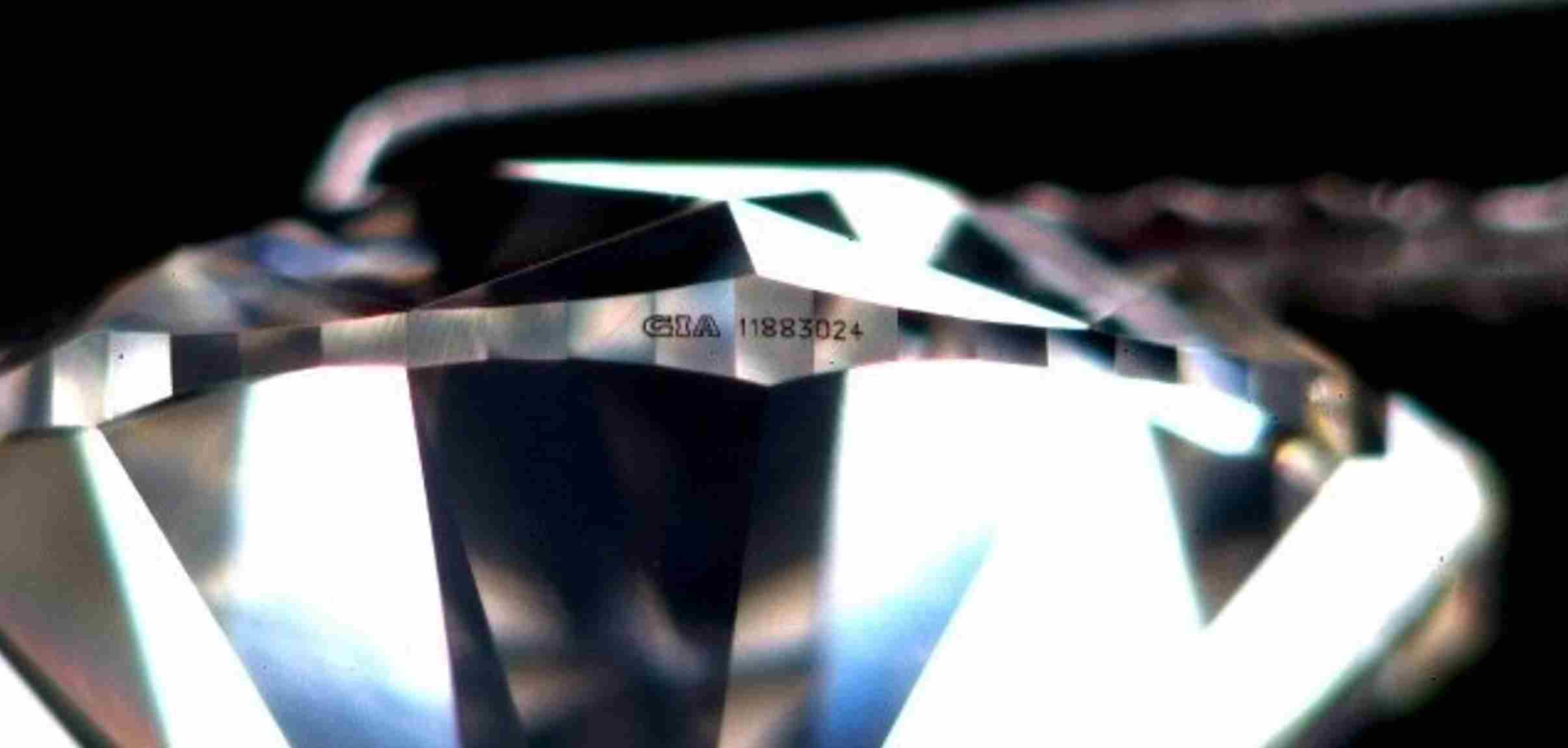
Diamond certification or grading is a critical aspect of the diamond-buying process. To aid with selecting the best grading lab, our ranking of the world's top diamond grading labs is presented below, along with comprehensive insights into each lab.
The highest premium in the diamond industry is attributed to grading reports or certificates from reputable institutions such as the American Gem Society (AGS), the Gemological Institute of America (GIA), and the Gem Certification and Assurance Lab (GCAL). However, among the other labs, disparities frequently arise in how they grade diamonds and assess the 4Cs.
When it comes to grading diamonds, AGS and GIA stand as the standard bearers. Explore these additional insights on GIA vs. AGS to understand better the nuanced differences between the two. Additionally, check our insights on IGI vs. GIA for a comparison.
As shared in this announcement, AGS Labs merged with GIA in late 2022 and will not offer new grading services. This guide is still relevant for comparing existing AGS reports.
Watch HD videos of GIA certified TRUE HEART DIAMONDS and ASTOR IDEAL CUTS.
Key Points to Know
- Since AGS has merged with GIA, the latter can be considered the best diamond grading lab.
- IGI is a reputable lab, yet not on par with GIA for natural diamonds.
- HRD is a reliable lab but might not grade diamond color as strictly as GIA.
- GCAL is also an exceptional lab and is as strict as GIA
Our TOP-RATED RETAILER is an excellent resource for hands-on examples of these grading reports due to their extensive collections of natural and lab-grown diamonds, facilitating easy comparisons. For ideal cut diamonds, WHITEFLASH also emerges as a standout choice.
Finally, we also want to highlight the fact that Sarine Lab is now offering grading services based on automated artificial intelligence. The company argues that AI technologies and years of research have enabled them to overcome human observation inconsistencies and deliver grading results based on a new set of standards in accuracy, consistency, and repeatability, creating more precise methods to communicate a diamond’s true value to the consumer. This is an exciting development for the industry, and as new information becomes available about their services, this guide will incorporate such insights.
Diamond Certification FAQs
| Is a diamond certificate important? | A diamond's certification or grading report carries immense significance. Buying a diamond with an accompanying grading report from a reputable lab is imperative. Beware of local jewelers attempting to dissuade the necessity of a grading report; their intention is often to sway buyers toward an ungraded diamond. Such a tactic could result in selling a diamond with a lower grade, thereby yielding substantially higher profits. |
| Why get a GIA grading report? | Respected diamond dealers frequently opt to send their stones to GIA for grading due to their commitment to consistency and transparency. GIA is known for its stringent and professional approach to diamond grading. |
| Is GIA better than AGS? | Before its merger with GIA, AGS was a top grading lab and worked hard to improve its accuracy in grading clarity, particularly in lower grades like SI2 diamonds. Notably, AGS excelled in assessing a diamond's cut grade, employing a proportion-based system. |
| How do you evaluate a grading report? | Buyers should prepared to evaluate the cut grade within a GIA grading report. GIA provides a cut grade exclusively for round diamonds. In the case of round diamonds, our guidelines on ideal proportions for each shape play a pivotal role in distinguishing between a super ideal cut and a GIA graded diamond with an average excellent cut. |
| Is IGI as good as GIA? | IGI is a decent lab, though not on par with AGS or GIA. For diamonds with lower color grades (I-J-K), IGI suffices. However, adhering to GIA is advisable when aiming to acquire a premium-grade diamond. |
| Is GCAL a good lab? | GCAL, a reputable lab with a smaller market share, aligns with the standards of GIA. Thus, if you encounter a GCAL graded diamond, there's no hesitation required to make a purchase. Frequently, a GCAL diamond is accompanied by a GIA report. GCAL is also the only lab that guarantees its grading results. |
| Why are there conflicting views? | Conflicting viewpoints on diamond labs are prevalent due to dealers tailoring their opinions to favor labs that have graded their diamonds. To make a well-informed choice, check our comprehensive diamond guide tailored for each popular shape. |
Best Diamond Certification Rating
In summary, for reliable diamond grading, our top recommendation is GIA, which is widely regarded as a trustworthy and consistent grading lab. HRD and GCAL are also considered reliable labs. The International Gemological Institute (IGI) has been improving its diamond grading process. However, the European Gemological Laboratory (EGL) has lost credibility and market share due to inconsistencies. The Gemological Science International (GSI) is generally satisfactory, though occasional grade inconsistencies may arise. The Professional Gem Science Laboratory (PGS) is dependable but less known in the market.

AGSL - AGS Certification
The American Gem Society (AGS) functions as a membership organization encompassing jewelers, suppliers, appraisers, and traders. Its inception dates back to 1934. However, its laboratories, known as the American Gem Society Laboratories (AGSL), were established in 1996. The organization also features an advanced instruments division, founded in 2004. AGSL is primarily responsible for grading diamonds and has developed its own set of standards. It is a formidable rival to GIA and has a strong reputation in the diamond industry.
Yet, an area of concern arises when AGS grades the clarity of diamonds, particularly in the SI1/SI2 range. Instances have been observed where AGS graded diamonds in the SI2 category as if they were more akin to I1 diamonds. Consequently, caution is advised when dealing with AGS's inconsistencies in grading clarity within the SI2 range.
Please note that AGS merged with GIA in late 2022. These insights are relevant to existing AGS grading reports, which can also be verified here.
GIA Certification
The Gemological Institute of America (GIA) operates as a non-profit organization focused on the research and education of consumers regarding jewelry and gemstones. Their involvement encompasses the study and grading of diverse gemstones. Alongside their lab services, GIA offers gemologist training and comprehensive education and research support to the diamond industry. GIA's diamond grading reports are highly esteemed as the industry's foremost "certifications" and verification documents.
GIA offers two types of diamond grading reports: full reports and diamond dossiers for smaller diamonds. Dossiers are more cost-effective than full reports, yet they lack a diamond's complete plot, omitting the inclusions' precise location. In the case of dossiers, GIA mandates a laser inscription on the diamond, given the absence of inclusion locations. Conversely, full reports offer a different approach. Diamond dealers can include a laser inscription as an additional service within full reports for an additional fee of $30.
However, with GIA's expansion, concerns have arisen regarding the declining quality of their grading services. Instances have emerged where GIA categorized a G-color-graded diamond as a lower H color.
Discussions also revolve around GIA's methodology for determining excellent cuts in diamonds. A point of contention pertains to the broad criteria for assigning excellent cut grades to diamonds – the highest tier on GIA's scale. In comparison, it has been suggested that AGS's utilization of a proportion-based system for assigning ideal cut grades in their reports may yield a superior grading approach. For those considering well-cut GIA graded diamonds, evaluate GIA's report against our recommended super ideal cut proportions.
GIA diamond reports can be verified here.
HRD Certification
HRD Antwerp, closely linked to the Antwerp World Diamond Center, occupies a significant role within the diamond trading and supply sector. Established in 1973, HRD represents the Belgian diamond industry. The HRD Lab adheres to standards akin to those of GIA and follows grading regulations set by the International Diamond Council, underlining its reliability.
Nevertheless, it is worth noting the possibility of grade inconsistencies in HRD's grading process, particularly in relation to diamond color and clarity. This aspect warrants consideration when contemplating the purchase of HRD-graded diamonds.
HRD reports can be verified here.
IGI Certification
Founded in 1975 and headquartered in Antwerp, the International Gemological Institute (IGI) has a global presence with multiple branches and a gemology school. However, IGI's widespread reach translates to slightly varying grading criteria among their labs in different countries. While still a major player, IGI's accuracy is generally considered somewhat lower than GIA or AGS. Anticipating one-grade inconsistencies when purchasing IGI-graded diamonds is common. Recognizing the uniqueness of each diamond, a generalized approach is less effective as individual cases require tailored consideration.
As such, a degree of grading inconsistency across all 4Cs is expected when it comes to IGI's grading. Buyers can verify an IGI-issued report here.
GSI Certification
Gemological Science International (GSI) primarily grades diamonds for large chain stores, with a focus on high-volume grading. With a global expansion, GSI's appeal to large stores lies in their ability to expedite diamond grading compared to GIA or AGS. While their accuracy is comparable to IGI in diamond grading, GSI often assigns slightly lower grades than GIA or AGS. Nonetheless, due to the distinct characteristics of each diamond, individual evaluation remains crucial.
Opting for GIA or AGS certifications is advisable for those without comprehensive knowledge or the time for exhaustive research.
Prudence is recommended when assessing GSI-graded diamonds, as some grade inconsistency may occur. Seeking the expertise of a third-party expert can be beneficial, considering that the reliability of appraisers can vary. This may entail trade-offs when acquiring GSI-graded diamonds.
EGL Certification
The European Gemological Laboratory (EGL) once held a significant stake in the diamond grading realm. However, its credibility has suffered, resulting in a decline in reputation. EGL is undergoing reorganization, leading to skepticism about relying solely on their reports. Due to its diminished reputation, platforms like RapNet have chosen to exclude EGL-graded diamonds from their listings.
Given these circumstances, exercising caution when considering EGL-graded diamonds is prudent, particularly unless they are from the 1950s to the early 2000s. Even within this time frame, up to two grade inconsistencies in overall grading may be anticipated.
The Diamond Grading Process
To make well-informed decisions regarding various diamond grading reports and certifications, it is essential to comprehend the process of diamond grading itself.
The major grading laboratories employ remarkably similar procedures for assessing and grading diamonds. The process typically involves multiple graduate gemologists independently evaluating a diamond's cut, color, clarity, and carat weight. The final grades are determined after all evaluations have been considered. This approach helps minimize the potential for human error in establishing a diamond's final grade, although it doesn't eliminate it.
Inconsistencies can arise when a diamond is reevaluated by a different lab, particularly when a stricter or more consistent lab reassesses a diamond graded by a less rigorous lab. Such inconsistencies are more pronounced among labs with varying grading standards.
Please note that diamonds are not certified; labs avoid using "certifying" as it could lead to legal issues. Instead, labs confirm that they have graded a diamond based on their professional judgment, as detailed in the grading report.
Consistency in Results
One of the reasons for the dominance of AGS and GIA in the industry is their consistent and accurate grading. If a dealer were to send a diamond to AGS or GIA for evaluation, they would likely receive very similar grading results with minimal discrepancies. Some level of slight variation is considered acceptable within the industry.
Organizational Structure Matters
AGS operates as a membership organization, while GIA is a non-profit entity. Both AGS and GIA are regarded as more objective compared to other labs when it comes to grading diamonds. This objectivity is influenced by their organizational structures focusing on maintaining consistent and accurate grading standards.
On the other hand, some commercial labs are profit-driven and more customer-oriented toward diamond merchants. This can lead to discrepancies in grading results. Commercial labs may sometimes assign slightly higher grades on average than AGS or GIA to satisfy their clients.
Buyer's Perspective
From a buyer's standpoint, diamond certification is pivotal when purchasing a diamond. While there are several grading labs, diamonds graded by AGS or GIA are generally considered more reliable and consistent in their assessment. It's crucial to be cautious when encountering diamonds with similar grades from different labs at significantly lower prices, as the lower price might indicate lower quality.
Ultimately, when buying a diamond, especially for an engagement ring or other significant occasions, opting for a diamond graded by AGS or GIA is recommended due to its established reputation for accuracy and consistency.
For further insights, refer to our guide on lab-grown diamonds to learn the differences between lab-grown and natural diamonds.
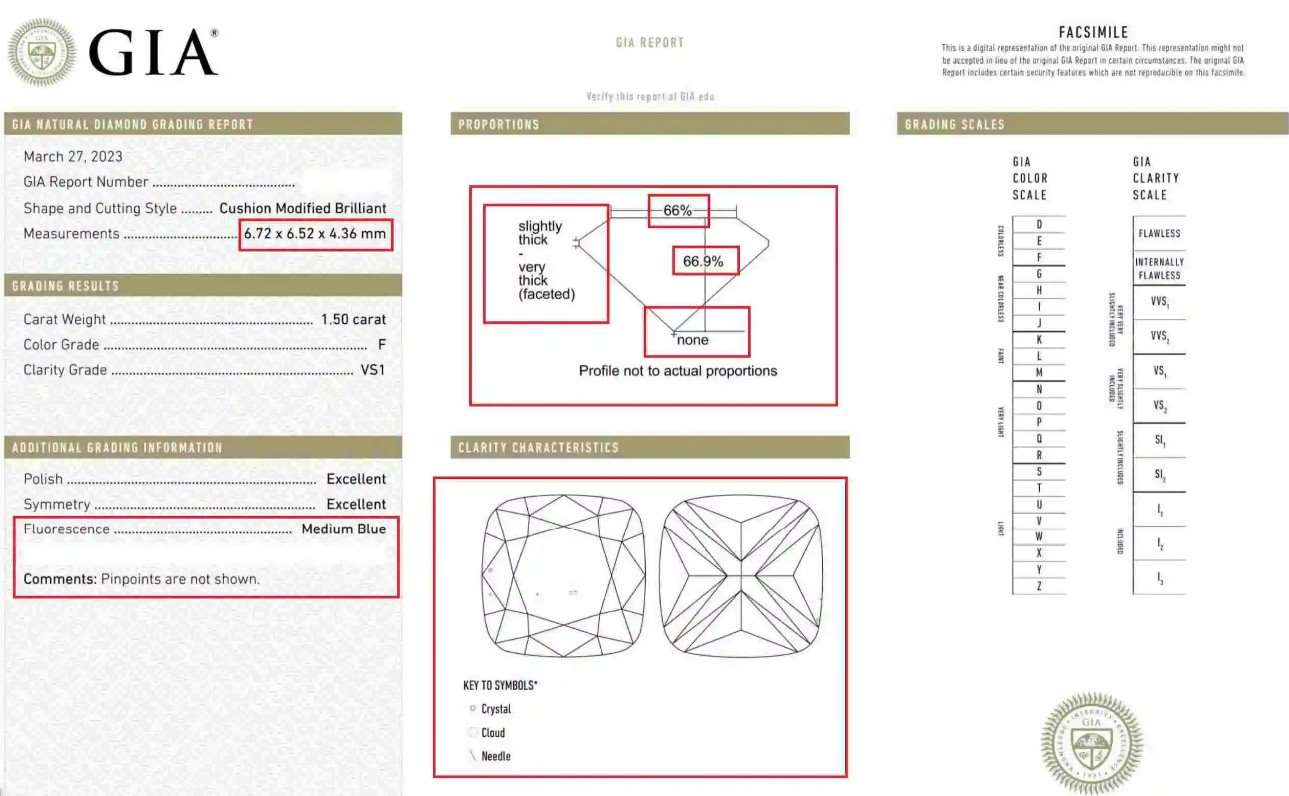
GIA Diamond Cut Grading System
One of the most significant advancements in the diamond industry during the 1950s was the introduction of GIA's cut grading system. This system played a pivotal role in standardizing the evaluation of diamonds, aiming for consistent judgment across the industry. While the 4Cs of diamond grading were established concepts, and various other grading systems were in use, the necessity arose for a universal grading system. Presently, GIA's 4Cs grading system stands as the most widely adopted and accepted standard for diamond grading.
GIA's system meticulously evaluates a diamond's color, clarity, and cut, which encompasses its cut, polish, and finish. Based on this evaluation, a diamond can be assigned one of five grades:
Excellent Grade: Diamonds achieving this grade exhibit an even distribution of light and dark areas when observed, accompanied by pronounced brilliance and scintillation.
Very Good Grade: Diamonds within this category also display notable brilliance and scintillation but may have slightly more darkness in the center or around the edges. Additionally, the diamond's pattern holds significance. Sometimes, despite excelling in other aspects, a diamond might have an imperfect pattern, leading to a downgrade from "excellent" to "very good."
Good Grade: Diamonds falling into this range tend to be darker than those in higher grades or might lack sufficient brilliance and scintillation. The diamond's pattern quality is also of lesser caliber. Another factor influencing this grade could be the diamond's weight ratio, with some stones having an unusually high weight ratio, exceeding that of an average gem of the same diameter. In such instances, the diamond might be downgraded by one step.
Fair Grade: Diamonds assigned this grade often lack substantial brilliance or scintillation. Dark patches might be prevalent in key areas like the table region or girdle. Poor cutting, noticeable imperfections in symmetry and proportion, and a lack of quality in the diamond's overall appearance can also result in this grade.
Poor Grade: Diamonds in this classification exhibit notable deficiencies. They generally possess subpar proportions and symmetry due to flawed cutting, resulting in limited brilliance and scintillation. This grade might encompass diamonds with "nail heads," characterized by a central black patch, or "fish eyes," where the center lacks brilliance. Once again, the diamond's weight ratio is a pivotal consideration.
Beyond factors such as brilliance, scintillation, symmetry, and weight ratio, GIA's diamond cut grading process also takes into account durability aspects, including thin girdles and inclusions. Furthermore, polish quality, encompassing nicks, scratches, chips, and other surface imperfections, plays a role in the assessment.
AGS Proportion-Based Cut Grade System
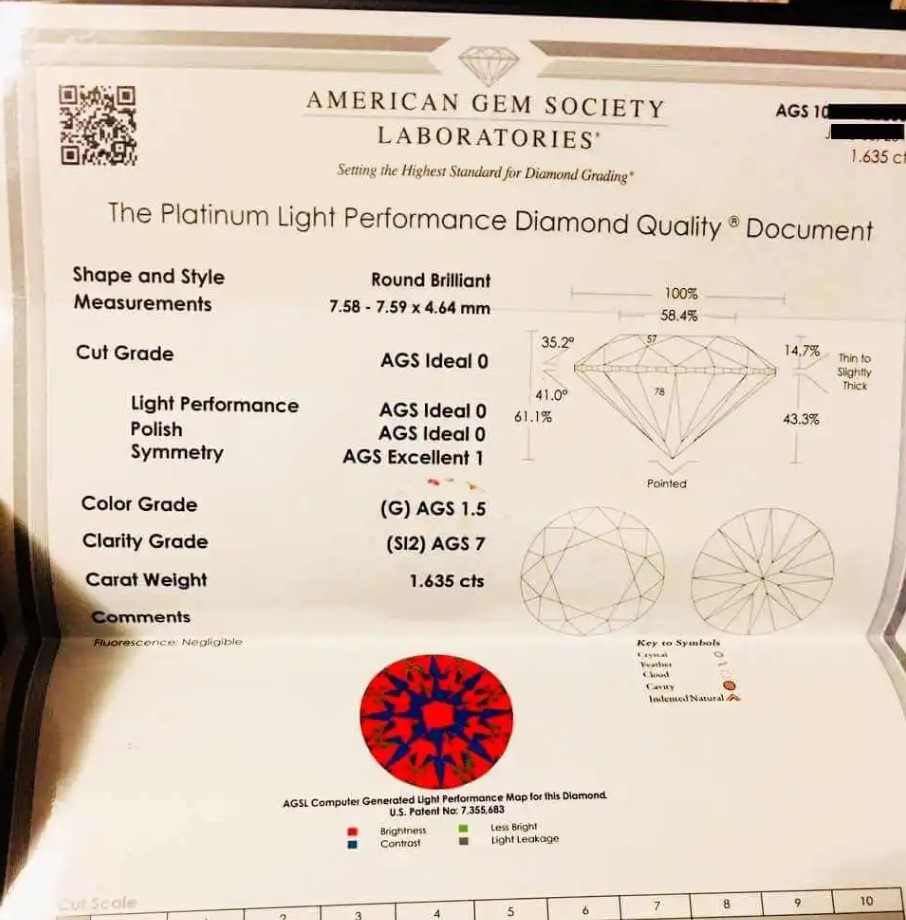
AGS's proportion-based cut grade system has emerged as a formidable contender to challenge the dominance of GIA's grading system within the industry. Interestingly, both AGS and GIA were initially funded by the same individual, Robert Shipley. However, differing opinions on the parameters and methodology for grading diamond cuts led to their divergence, with AGS establishing its lab and grading system.
In contrast to the comprehensive GIA system, which provides an overall designation based on multiple diamond features, AGS's proportion-based cut grade system assesses a diamond's color, clarity, and cut individually. It assigns each aspect of the diamond one of 11 levels, ranging from 0 to 10—where zero represents the best and 10 the worst. A diamond receiving three 0s attains a flawless cut, featuring impeccable polish, proportions, symmetry, and optimal light performance.
Clarity Scale: As the name implies, the clarity scale gauges a diamond's clarity and the presence of inclusions. A score of 0 signifies a flawless diamond devoid of visible inclusions, embodying impeccable clarity. Levels 1 and 2 fall under the "very slightly included" category, while 3 and 4 are labeled "very slightly included." The scale progresses to levels 5 and 6, indicating noticeable but slight inclusions. Levels 7 to 10 signify substantial inclusions, with 10 being the most included.
Color Scale: Reflecting its name, the color scale assesses the diamond's color. A score of 0 to 1.0 signifies a completely colorless diamond, conforming to the industry's ideal color standard. Levels 1.5 to 3.0 are designated as "near colorless," while 3.5 to 5.0 denote faint colorations slightly perceptible to the naked eye. Levels 5.0 to 7.0 reflect "very light" colorations, progressing to 7.5 to 10.0, characterized by light but more noticeable coloration. Beyond 7.5 to 10.0, diamonds acquire a fancy yellow hue, indicating lesser value.
Cut Scale: The cut scale evaluates the diamond's cut quality. A level 0 denotes a flawless cut with perfect symmetry, high brilliance, and scintillation. The diamond's polish is impeccable and free from nicks, scratches, or chips. Grades 2 and 3 signify "excellent" and "very good" cuts, respectively, with characteristics similar to an ideal cut diamond but without the same level of perfection. Levels 3 to 4 encompass "very good" diamonds, while 5, 6, and 7 represent "fair" cuts, indicating lower cut quality. Poorly cut diamonds with apparent flaws, faulty patterns and symmetry, low brilliance, and scintillation occupy the last range from 8 to 10.
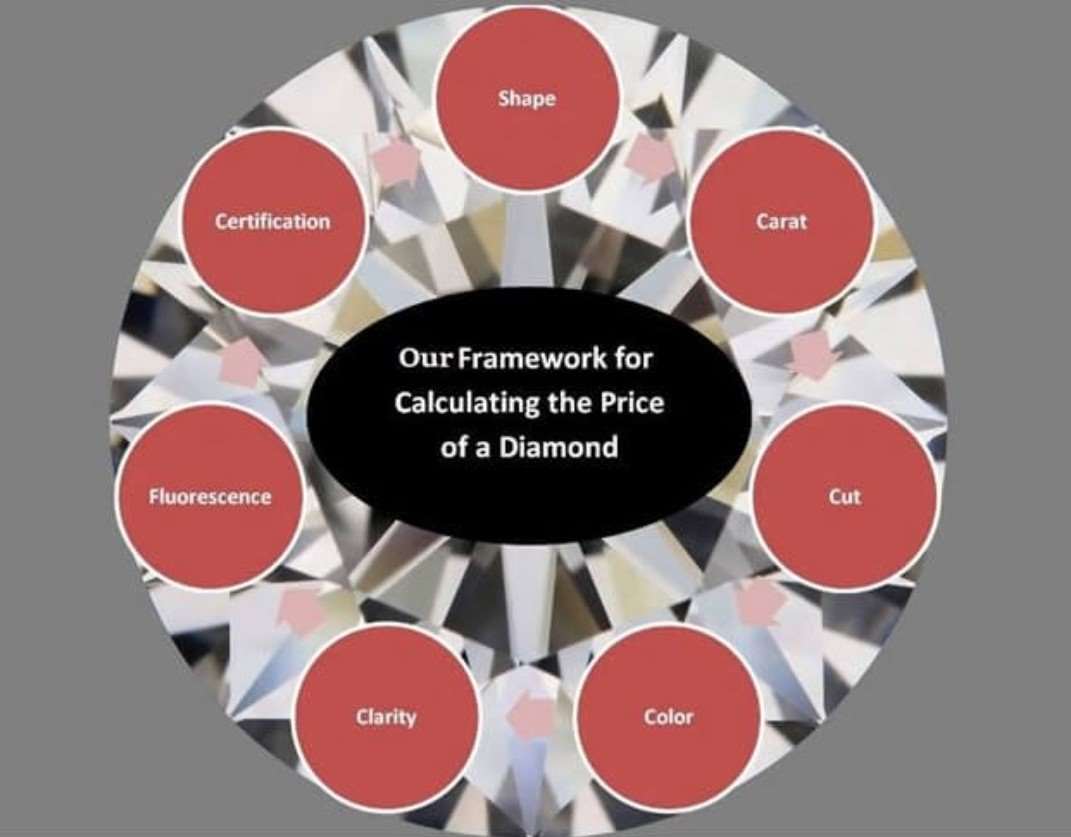
The retail price of a diamond largely depends on how the diamond is graded in a grading report and/or "certificate."
Grading reports by the American Gem Society (AGS), Gemological Institute of America (GIA), and Gem Certification and Assurance Lab (GCAL) command the highest premium in the diamond industry. However, among the other labs, there are often discrepancies in how they grade diamonds and assess the 4Cs.
Check James Allen's 3D 360-degree image technology for assessing the cut of AGS and GIA graded diamonds before buying them.
Please carefully review our ranking below for the best diamond certification labs in the world. We have also provided additional insights into each lab in the subsequent sections.
AGS and GIA are the standard-bearers in the diamond industry when grading diamonds. Check our additional insights below about AGS vs. GIA grading systems and where one may have the edge over the other. Furthermore, check this article on IGI vs. GIA for your review as well.
Check examples of these grading reports at Blue Nile or Brilliant Earth, as they have an extensive collection of both natural and lab-grown diamonds for comparison purposes. Whiteflash an exceptional choice for AGS ideal cut diamonds.